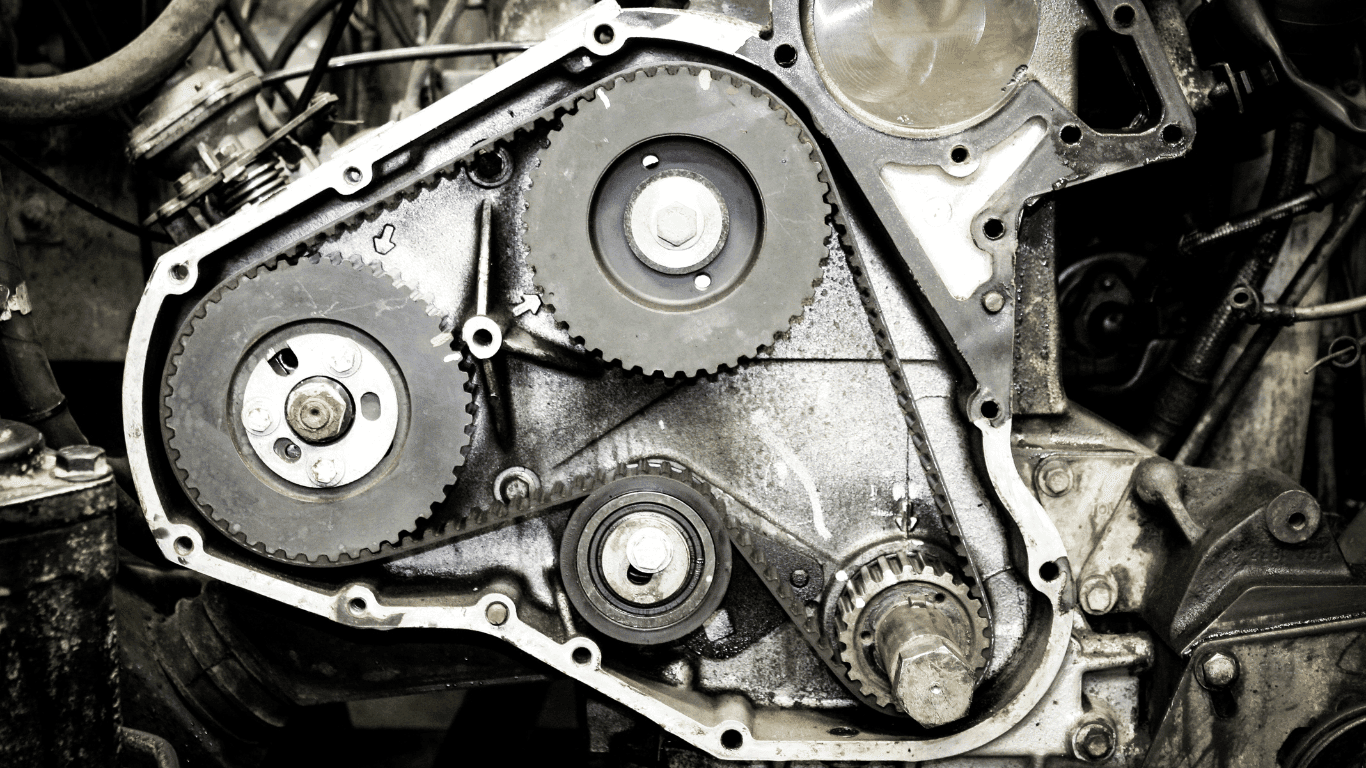
We love your car too. We encourage you to continue regular routine maintenance—including replacing the belts in your vehicle when they show signs of wear and tear.
Checking on the belts at least once a month is a good idea; you can do it yourself without any special equipment. Simply open the bonnet of your car and take a quick look. If you see any cracks, nicks, or other irregularities in the belt, it’s time to have it replaced.
If you’re unsure what to look for when checking belts, ask your local mechanic for more information—we’re sure they’ll be happy to help!
Belts can get damaged by the elements.
Some car belts are made of rubber—just like car tires. And just like tires, they can also be worn down and become brittle as they age and are exposed to sunlight, heat, rain and cold. It’s essential to routinely inspect all belts for cracks or fraying and look at the belt-tensioning system (if there is one) for wear. That’s because a broken belt means your car stops working properly—which can cause severe damage to other parts of your vehicle. If you’re unsure what to look for, take your car in for routine maintenance so the mechanic can spot problems early on and replace belts before it’s too late. It’s better to replace a belt now than pay for repairs later!
Belts can get frayed simply from use.
Belts can also get frayed simply from use. As you drive around, the belts in and around your engine constantly turn, thus wearing down over time. Not only this, but the heat of your engine can also cause wear; it’s pretty hot in there! The chemicals from the engine can also cause wear on belts. If you look down into your car’s engine when it’s running (we don’t recommend it!), you’ll see many things moving around inside there. Debris and other materials or chemicals may get stuck in between belt grooves and start to tear them up over time.
Damaged belts can make squeaking noises.
When your serpentine belt gets loose, it can move around in the pulley and make a squealing sound. The same happens when the belt or the pulley is loose or worn. If the bearing or bushing for a tensioner or idler pulley is worn, it will also make noise as it moves around.
If the belt is very tight, it can also cause noise. Sometimes you can hear a thumping sound from underneath your vehicle if this happens.
Damaged belts can cause your car to overheat.
As we have mentioned in our discussion of serpentine belts, a broken belt can cause your car to overheat. Belt damage can be hard to spot, but it’s essential to keep an eye on the condition of all your belts because they can fail without warning, causing damage and leaving you stranded by the side of the road.
It’s easy to overlook worn or damaged belts because they frequently don’t show any outward signs that they’re about to fail. However, if you notice cracks in the belt material or excessive wear, it’s time for a replacement. You should also have your mechanic check them regularly and replace them before they break.
Replacing your damaged serpentine belt with a new one is generally inexpensive. It may not happen right now, but eventually, all car parts wear out—so don’t forget about those car belts! However, suppose you neglect this maintenance item for too long and end up with a broken belt (and possibly other damages), it will be more expensive than just replacing your belts ahead of schedule.
Check your car belts regularly for wear and tear, and replace them when necessary.
- Check your belts at least once a year or every 32 000 kilometres.
- Look for cracks, brittleness, fraying and wear.
- Check for oil and grease on the belt, as this can cause them to slip.
- Check for proper tension.
Like anything else, car belts are at risk of breaking every time you use them. This means that certain parts will eventually tear and wear down over time, potentially leading to a scenario where the belt breaks altogether, leading to terrible things. Fortunately, in most cases, if you notice that your vehicle’s belts need replacing, it’s likely a straightforward procedure. It won’t cost a whole lot of money either. They aren’t the most exciting thing to discuss, but you should still know how to care for them properly.
Read More: Benefits of regular maintenance