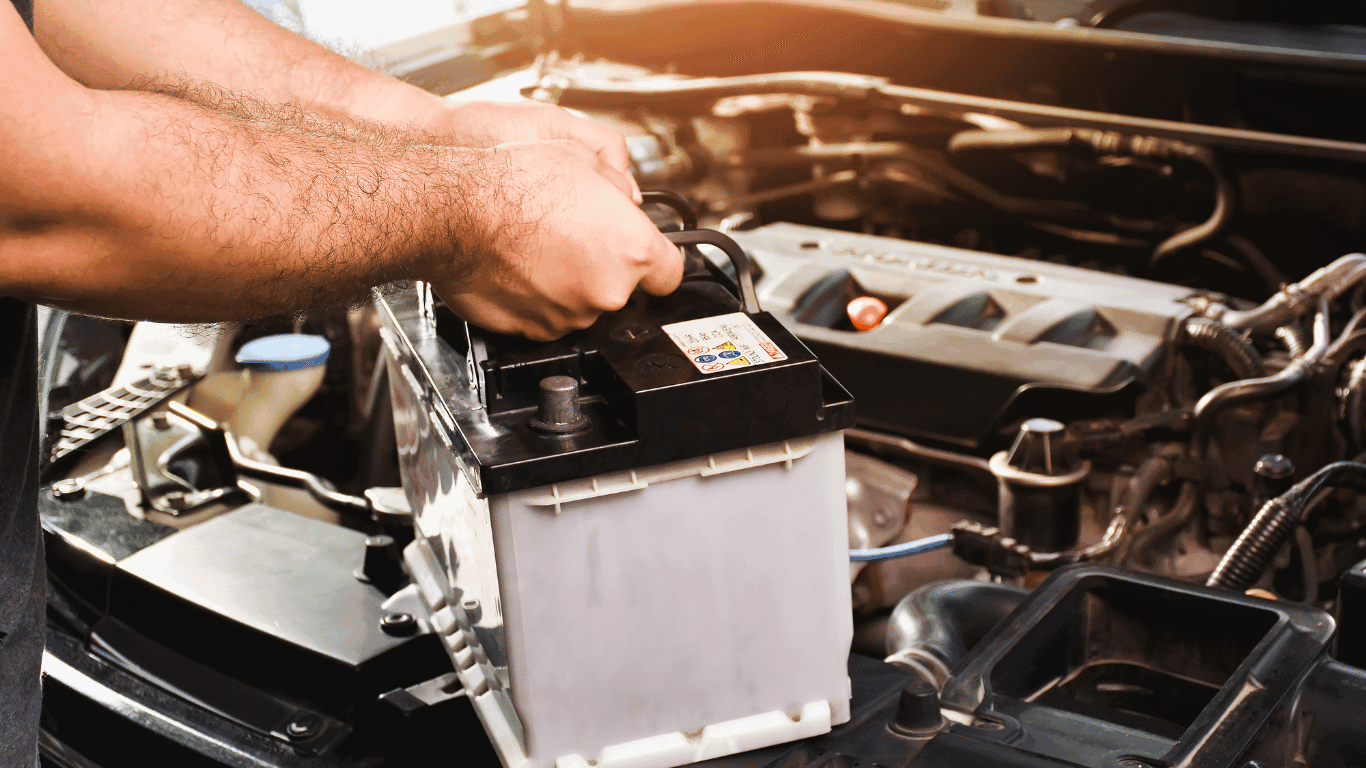
How to Prepare Your Car for Summer Heat and Long Trips
Prepare for SA summer driving: avoid overheating, check aircon, inspect radiator, and get trip-ready with expert Fixxr tips for safe, stress-free journeys.
Read More5 December 2025

| 25 November 2025 | Cooling System, Fluids & Filters, Diagnostic Services, Vehicle Ownership and Advice
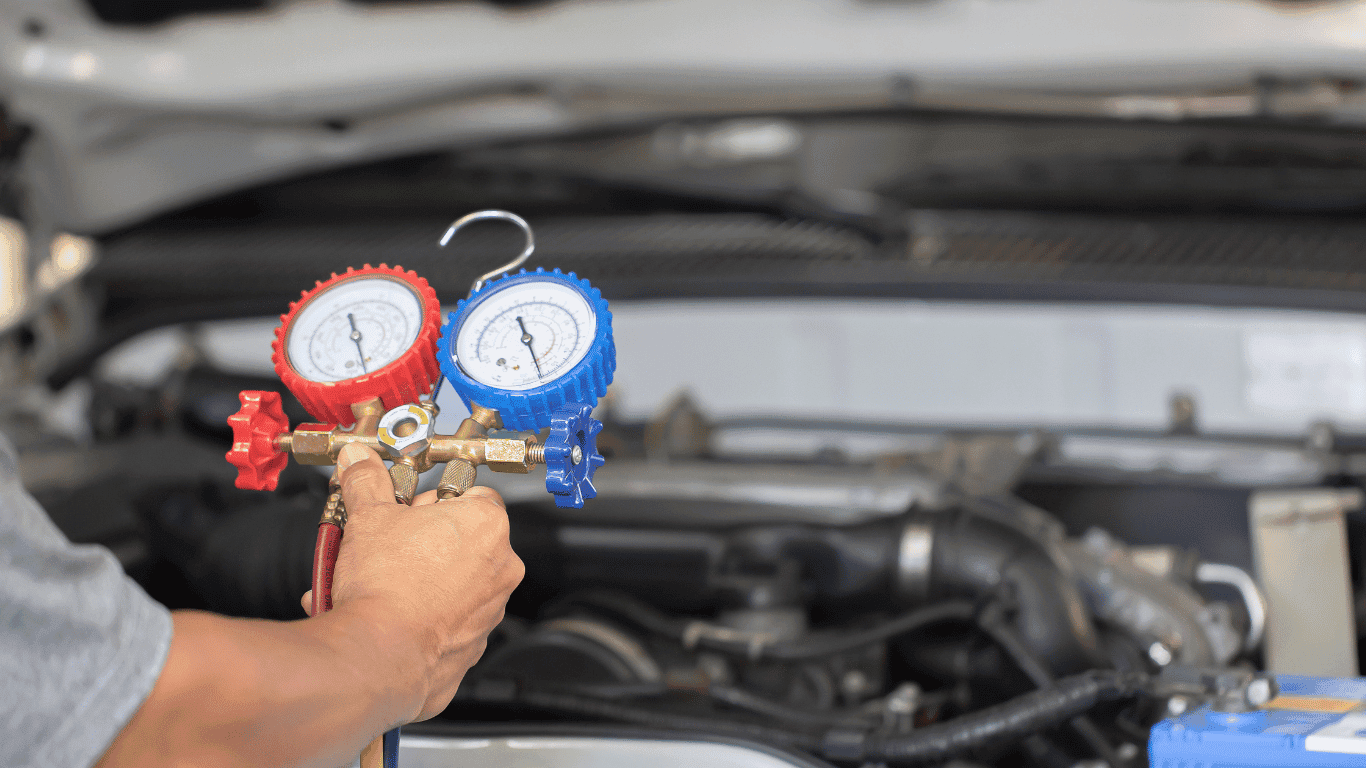
Get free quotes from trusted mechanics near you. Compare prices, check ratings, and book with confidence.
If you’ve ever noticed a mysterious puddle under your car, you know the worry a possible water leak can bring. For South African drivers facing unpredictable weather and long distances, keeping your vehicle watertight is crucial for safety and reliability. Water leaks—whether caused by rain, faulty seals or cooling system issues—can lead to rust, mould, electrical faults, and even engine trouble if neglected.
In South Africa, frequent rain and coastal humidity put vehicles at risk for leaks. Left unchecked, leaks can cause:
The good news? With the right checks and fast action, many leaks can be identified and repaired before costly damage occurs.
Not all under-car moisture is bad! Common scenarios include:
Body and Cabin leaks:
Engine leaks:
If you’re unsure, book a Coolant leak inspection service or general car inspection service with Fixxr for a professional check.
Prices vary, so always ask for a quote. Fixxr offers clear pricing and mobile repairs at your location.
If the water leak is from the engine area or you spot milky oil (water/oil mixing), don’t drive—book a Fixxr mobile mechanic for prompt on-site help.
When in doubt, book a diagnostic inspection for peace of mind.
Well-maintained seals, careful checks, and fast action can help South African drivers avoid water damage. With Fixxr, you get expert help on-site and transparent pricing—making water leaks less of a headache and your car safer on the road.
References: Technical best practices and advice adapted from the AA, Motoring Research, and Parts Europe guides on car leak repairs.
Prepare for SA summer driving: avoid overheating, check aircon, inspect radiator, and get trip-ready with expert Fixxr tips for safe, stress-free journeys.
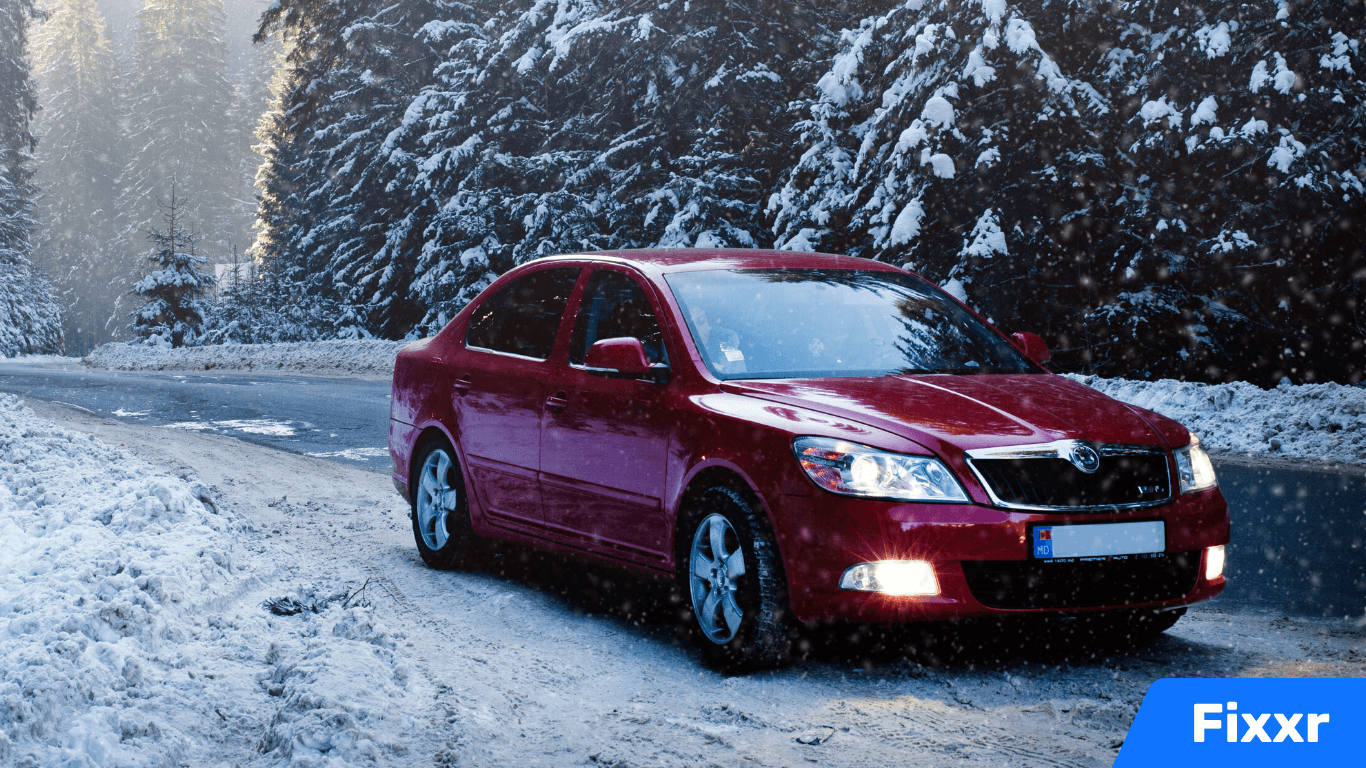
Surviving the freeze? Learn how extreme winter conditions affect your car's battery, tyre pressure, antifreeze, and wipers. Stay safe on the roads!
Stay safe and roadworthy with this essential SA DIY car inspection checklist. Step-by-step tips for local drivers and when to call Fixxr’s mobile mechanics.
Professional temperature warning light is on inspection service.
Get a QuoteProfessional coolant is leaking inspection service.
Get a QuoteComprehensive vehicle health check covering all major systems
Get a QuoteProfessional smell of oil in car inspection service.
Get a QuoteAutomotive Platform
Fixxr connects South African car owners with trusted, vetted mechanics. Our team writes about car maintenance, repair costs, and tips to help you make informed decisions about your vehicle.