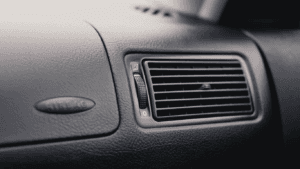
Why Your Car's Aircon Smells Bad & Doesn't Blow Cold
Is your car's aircon blowing warm air and smelling musty? Discover common issues and quick fixes to get your AC blowing cold and fresh this spring!
Read More2 September 2026

Prince Ncube | 21 July 2026 | Car Maintenance & Repair Guides, Brake Services, Diagnostic & Warning Signs, Diagnostic Tools & Techniques
Get free quotes from trusted mechanics near you. Compare prices, check ratings, and book with confidence.
When you are navigating stop-start traffic on the Ben Schoeman highway or braking for a sudden taxi stop in Johannesburg, your brakes are your most critical safety feature. Despite this, many drivers ignore the early warning signs of brake wear until it results in a costly repair bill or, worse, an accident.
Brake pads are wearing components—they are literally designed to sacrifice themselves to stop your car. But how do you know when there is enough material left and when it is time for a replacement? Here are the five definitive signs that your vehicle needs new brake pads.
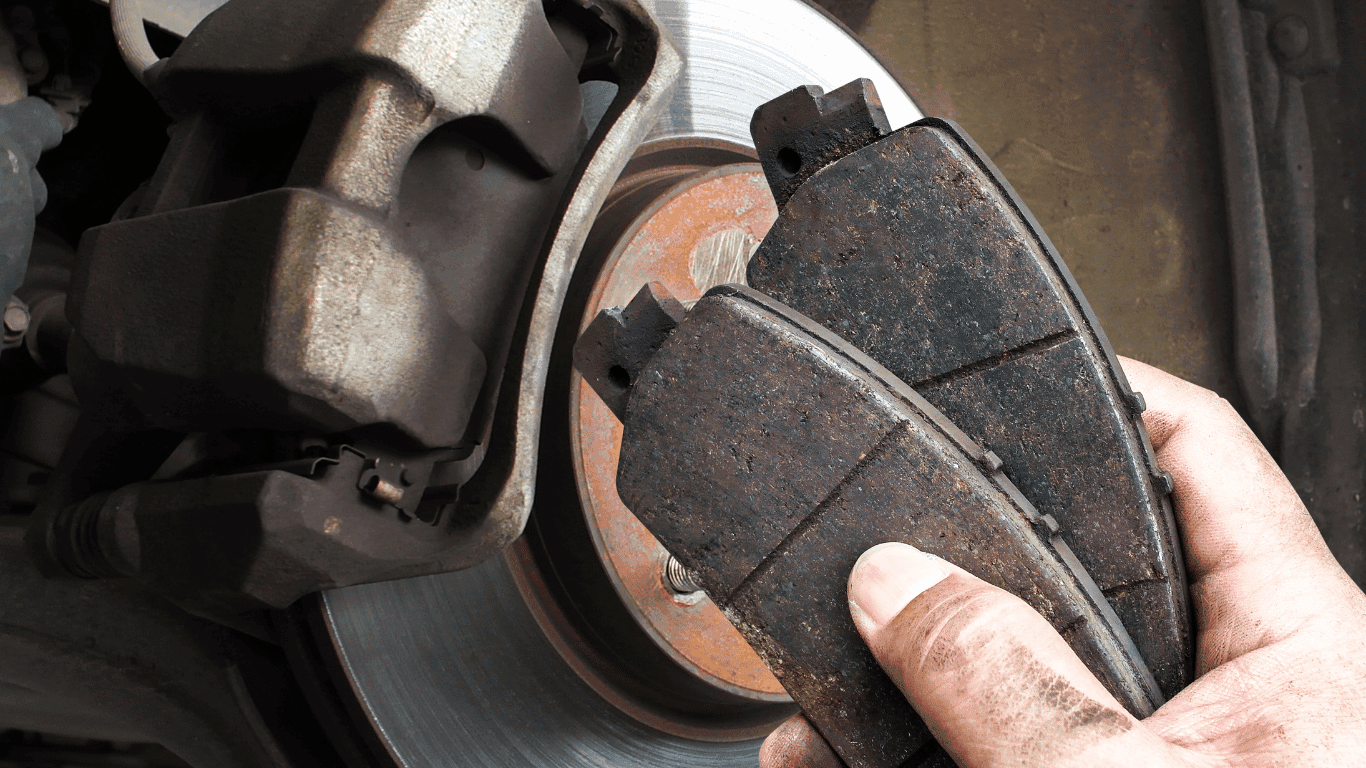
If you hear a loud, high-pitched screech every time you press the brake pedal, don't panic—your car is actually doing exactly what it was designed to do. Most modern brake pads have a small metal wear indicator built into them. When the pad material wears down to about 2mm or 3mm, this metal tab becomes exposed and scrapes against the brake disc to create a warning noise.
Quick Fixxr Tip: A squeak that happens only first thing in the morning might just be surface rust or moisture from a cold Highveld night. If the squeal persists after a few stops, it is time to book a brake inspection.
If you missed the squealing stage and are now hearing a harsh, deep grinding or growling noise when you brake, you have an emergency. This sound means the friction material on your brake pads has completely worn away, and the solid metal backing plate is now clamping directly onto your metal brake disc.
Continuing to drive with grinding brakes will gouge deep grooves into the rotors, meaning you will have to replace the discs alongside the pads, doubling your repair bill.
Quick Fixxr Tip: If your brakes are grinding, stop driving immediately. Have a mobile mechanic in Pretoria or Johannesburg come directly to your driveway to replace the pads safely.
When you press your brake pedal, it should feel firm and responsive. If the pedal suddenly feels soft, spongy, or sinks closer to the floorboard than usual before the car starts slowing down, your braking system is compromised.
This can indicate that your brake pads are critically thin, but it is more commonly a sign of a hydraulic issue—like air trapped in the brake lines, a failing master cylinder, or a dangerous brake fluid leak.
Quick Fixxr Tip: Check the ground under your parked car. If you see a puddle of clear, slightly oily fluid, do not drive the vehicle. You have a brake fluid leak that requires immediate professional repair.
If your steering wheel shakes or the brake pedal pulses under your foot when you apply the brakes (especially at highway speeds), you likely have warped brake discs. When brake pads wear unevenly or overheat from heavy braking, they can cause the flat surface of the disc to warp.
We covered a similar symptom in our troubleshooting guide on why your steering wheel is shaking at 120km/h, but if the vibration only happens when braking, the discs and pads are the culprits.
Many modern vehicles feature electronic brake pad wear sensors. When the pad wears down to a critical level, the sensor trips a yellow or red warning light on your dashboard. This light might look like a circle with dashed lines around it, or it may simply say "BRAKE".
Because the dashboard is your car's primary communication tool, ignoring this light is incredibly risky.
Quick Fixxr Tip: If the brake warning light is red, pull over. Check out our recent guide on yellow vs. red dashboard lights to know exactly when it is safe to keep driving.
Never gamble with your stopping power. Get an upfront, transparent quote and let vetted auto professionals replace your brake pads at your home, office, or a Trusted workshop.
Is your car's aircon blowing warm air and smelling musty? Discover common issues and quick fixes to get your AC blowing cold and fresh this spring!

Experiencing a shaking steering wheel at 120km/h? Discover the common causes and solutions to ensure a smoother, safer drive on the highway.
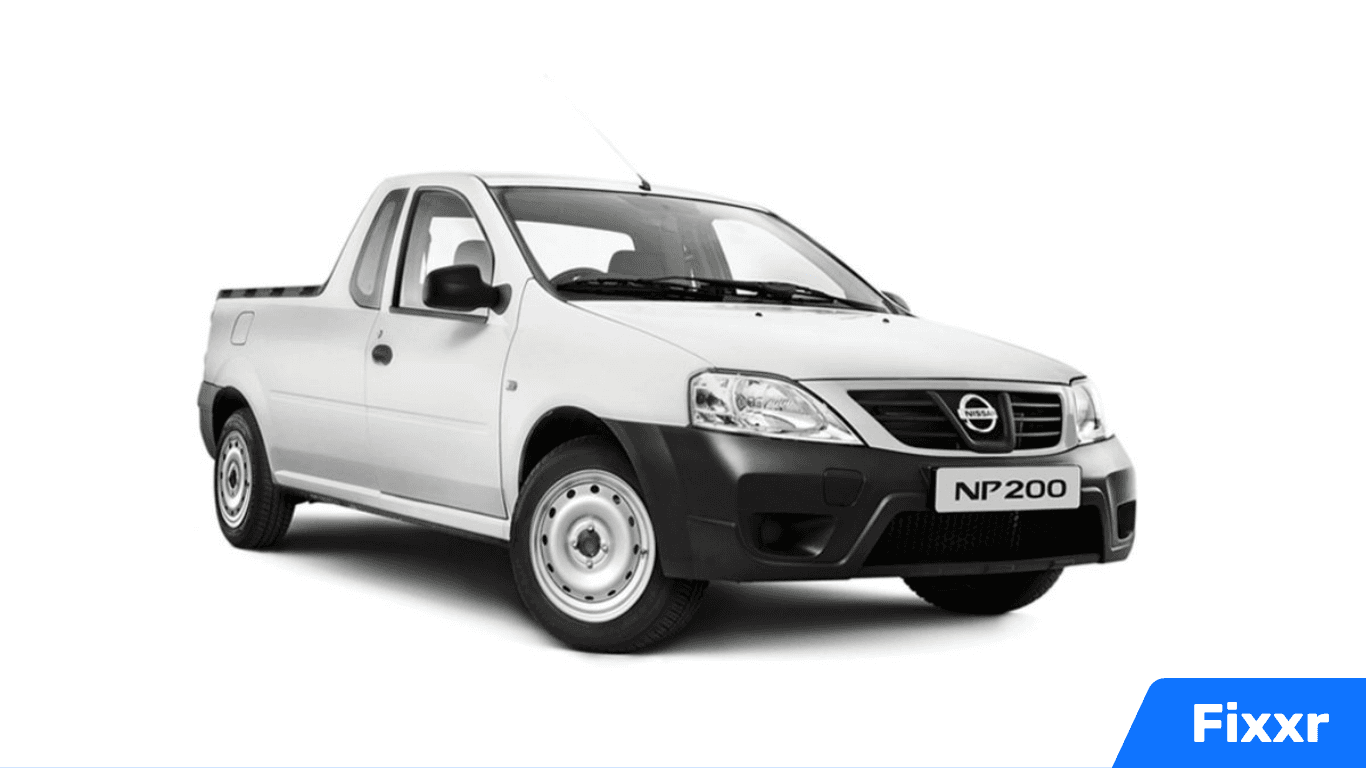
Discover the Nissan NP200's common problems in our 2026 maintenance guide, helping owners prevent costly repairs and keep their bakkie running smoothly.
Professional wipers are not working inspection service.
Get a QuoteProfessional ac is not working inspection service.
Get a QuoteProfessional clear fluid is leaking inspection service.
Get a Quote
Software Developer Intern
Prince joins the Fixxr team as a Software Developer Intern. Currently fresh out of finishing a Bachelor of Science in Information Technology (BSc IT), Prince combines his academic foundation with practical skills in programming and web development technologies.
He assists the technical team in maintaining the platform's stability and developing new features, ensuring a seamless digital experience for both our customers and mechanic partners.