
Hyundai i20 Common Problems & Maintenance Guide 2026
Discover common problems with the Hyundai i20, including steering issues and timing chain rattles, along with essential maintenance tips to keep your hatchback reliable.
Read More7 September 2026

Prince Ncube | 14 July 2026 | Opinion, Vehicle Ownership and Advice, Fixxr Services, Diagnostic Services, Car Repair and Maintenance
Get free quotes from trusted mechanics near you. Compare prices, check ratings, and book with confidence.
You are navigating the afternoon traffic on the M1 when you hear a sudden "ping" and a small symbol illuminates on your dashboard. Instantly, the panic sets in. Do you need to pull over immediately to the emergency lane, or is it safe to drive the rest of the way home to Pretoria or Johannesburg?
Modern vehicles have dozens of sensors monitoring everything from your tyre pressure to your exhaust emissions. Fortunately, car manufacturers use a universal colour-coding system, much like a traffic light, to tell you exactly how urgent the problem is. Understanding this colour code is the difference between a minor repair and a catastrophic engine failure.
Let's start with the easy ones. If a light is green or blue, your car isn't warning you about a fault; it is simply telling you that a system is currently active. Your headlights, cruise control, and indicator arrows fall into this category. There is no need to worry—keep driving.
A yellow or amber dashboard light means "Caution." The vehicle's computer has detected a fault or an out-of-range sensor reading. However, a solid yellow light rarely means your car is in immediate, fatal danger.
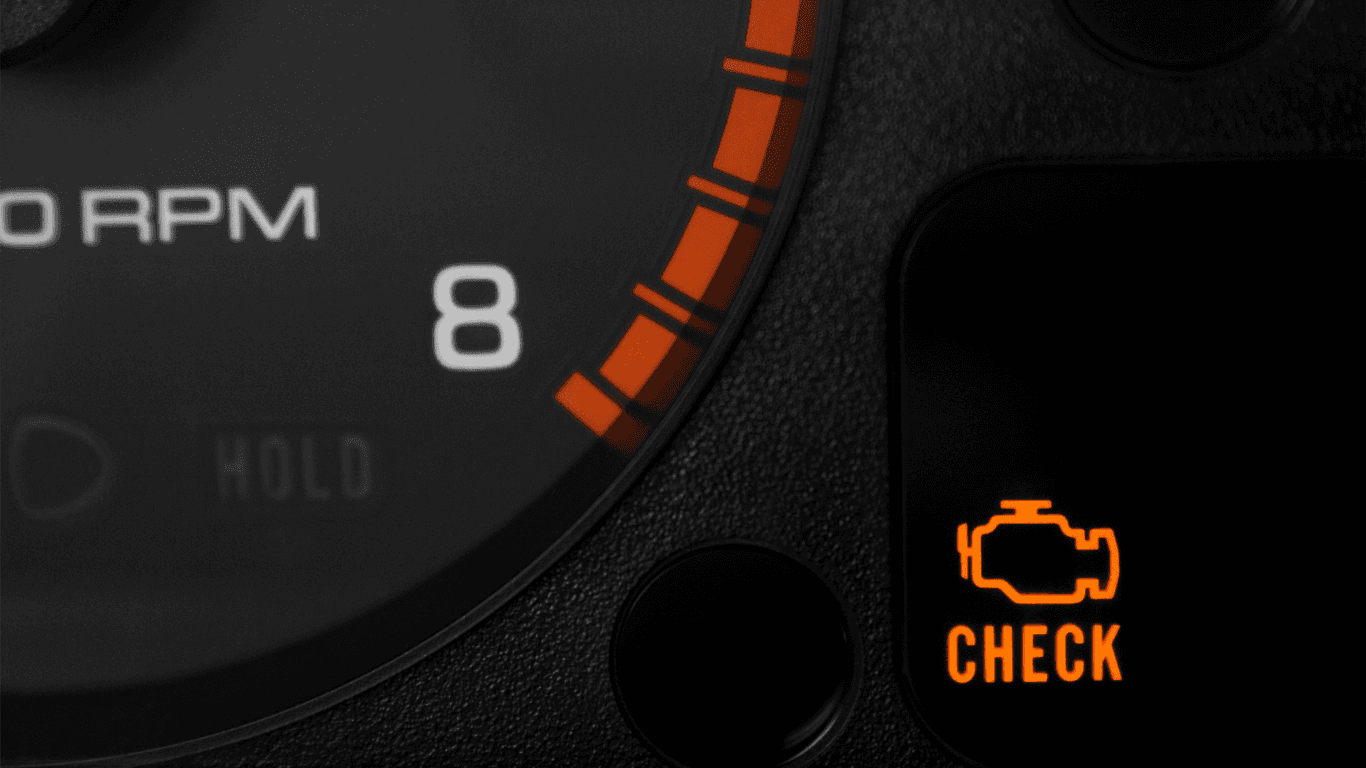
If you see a solid yellow Check Engine light, ABS (Anti-lock Braking System) warning, or low tyre pressure symbol, it is generally safe to continue driving to your destination. Just drive gently, avoid heavy acceleration, and book a diagnostic check soon.
If your ABS or traction control light comes on alongside a physical vibration in the steering column, it could indicate a wheel speed sensor or suspension issue. You can read more about diagnosing that specific feeling in our guide on why your steering wheel is shaking at 120km/h.
Quick Fixxr Tip: Don't ignore a solid yellow light for months just because the car feels fine. A faulty oxygen sensor will cause your fuel consumption to skyrocket over time.
While a solid yellow light means "caution," a flashing yellow Check Engine light elevates the urgency. A flashing engine light almost always indicates a severe engine misfire. This means raw, unburnt fuel is being dumped directly into your catalytic converter, which can cause thousands of Rands in damage if it melts.
We see this frequently with coil pack failures, which we covered extensively in our VW Polo Vivo Maintenance Guide.
Quick Fixxr Tip: If your Check Engine light starts flashing, reduce your speed immediately, avoid high RPMs, and try to get to a safe stopping point or mechanic as soon as possible.
A red dashboard light means "Danger." This is a critical warning indicating a severe safety risk or an imminent, catastrophic mechanical failure. If a red light illuminates, you must pull over as soon as it is safely possible and turn off the engine.
Common Red Light Warnings:
Oil Pressure Can: Your engine has lost oil pressure. If you keep driving, the metal components inside your engine will grind together and seize within minutes.
Coolant Temperature (Thermometer): Your engine is overheating. Continuing to drive will blow the cylinder head gasket or warp the engine block.
Battery Symbol: Your alternator has stopped charging the battery. You only have a few kilometers of driving left before the electrical system shuts down entirely. If this happens, refer to our guide on how to handle a flat battery.
Quick Fixxr Tip: Pulling over into a safe spot immediately when you see a red oil or temperature light can literally save you the cost of a complete engine replacement. Do not try to "just make it home."
Don't guess what your car is trying to tell you. Get an upfront, transparent quote and let vetted auto professionals run a full diagnostic scan at your home or a trusted workshop near you.
Discover common problems with the Hyundai i20, including steering issues and timing chain rattles, along with essential maintenance tips to keep your hatchback reliable.

Survive record fuel prices with a minor service that boosts efficiency and saves you money. Maintain your vehicle for better fuel economy and performance.

Stay safe and roadworthy with this essential SA DIY car inspection checklist. Step-by-step tips for local drivers and when to call Fixxr’s mobile mechanics.
Diagnose engine warning light causes with OBD diagnostic scan
Get a QuoteProfessional wipers are not working inspection service.
Get a QuoteProfessional ac is not working inspection service.
Get a Quote
Software Developer Intern
Prince joins the Fixxr team as a Software Developer Intern. Currently fresh out of finishing a Bachelor of Science in Information Technology (BSc IT), Prince combines his academic foundation with practical skills in programming and web development technologies.
He assists the technical team in maintaining the platform's stability and developing new features, ensuring a seamless digital experience for both our customers and mechanic partners.