VW Polo Vivo Common Problems: A Complete Maintenance Guide
Discover the VW Polo Vivo's common problems in our 2026 maintenance guide. Learn how to prevent breakdowns and save on repair costs!
Read More22 June 2026

| 1 September 2025 | Diagnostic & Warning Signs, Engine System
Get free quotes from trusted mechanics near you. Compare prices, check ratings, and book with confidence.
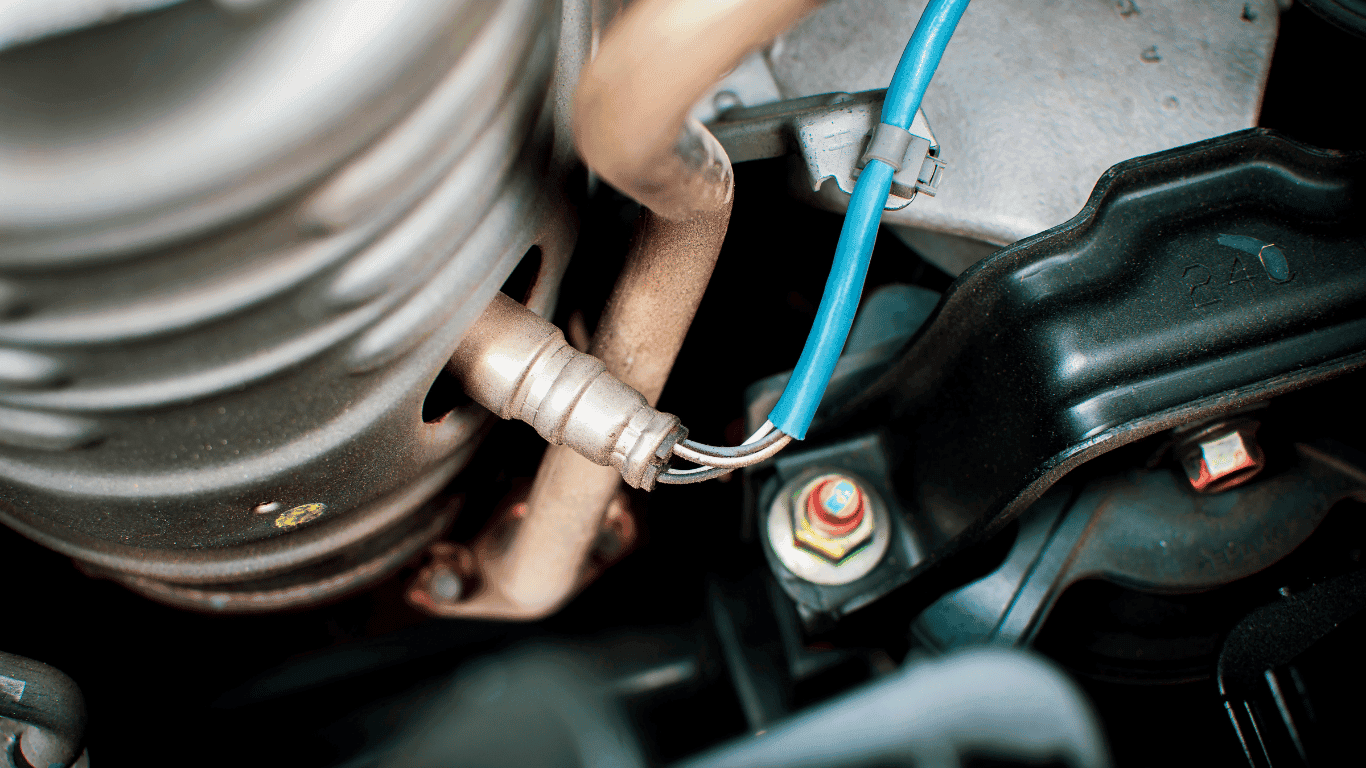
When the dreaded check engine light flickers, many South African drivers immediately worry about costly repairs or confusing diagnostics. One under-the-hood culprit behind mysterious engine issues is the oxygen sensor—an essential yet often misunderstood component. If you’re noticing rough idling, worsened fuel consumption, or unexpected emissions test failures, your car’s oxygen sensor may be to blame. This comprehensive guide breaks down common symptoms, causes, diagnostic steps, repair costs, and professional solutions—all tailored to South African driving conditions. As SA’s leading mobile mechanic platform, Fixxr helps you understand the problem and book expert service with confidence.
Oxygen sensors, sometimes called O2 sensors, play a vital role in your engine’s fuel management system. They monitor the proportion of oxygen in the exhaust gas, providing real-time data to your car’s engine control unit (ECU). This feedback allows the ECU to maintain the optimal air-fuel ratio for combustion, essential for:
According to AutoTrader South Africa, “modern vehicles rely on oxygen sensors to meet emission standards and ensure smooth driving.” In South Africa, properly functioning O2 sensors are crucial for passing emissions checks and staying compliant with regulations outlined in the SA Automotive Masterplan.
A malfunctioning oxygen sensor can show up in subtle—and not-so-subtle—ways. Here’s what to look for:
This is the most common sign. Many South African car owners ignore the light, but it’s your car’s way of saying “something’s not right!” A failing oxygen sensor triggers specific diagnostic trouble codes (DTCs), which a professional diagnostic inspection can confirm.
An oxygen sensor that isn’t working can send incorrect information to the ECU, causing your vehicle to burn more fuel. If you’re visiting the pump more often but haven’t changed driving habits, an O2 sensor problem might be the cause.
Performance problems—such as rough idle, misfiring, or hesitation—could indicate an incorrect air-fuel ratio from faulty sensor readings.
Effective as of the SAAM 2021-2035, emissions compliance is mandatory for many vehicles, especially in major metros. A faulty sensor can result in a test failure, leading to fines or registration issues.
A defective O2 sensor might cause unburnt fuel to exit through the exhaust, resulting in a rotten egg smell or visible smoke.
Sensors interact with other fuel system components (fuel injectors, fuel pressure sensors, etc.), leading to confusing dashboard messages or warning lights.
Oxygen sensors don’t last forever—they’re subject to wear and the unique demands of South African roads and fuel. Common causes of failure include:
For best results, combine oxygen sensor inspections with routine fuel filter replacement to prevent contamination.
A key value of mobile mechanic services like Fixxr is thorough and convenient diagnostics. Here’s the typical troubleshooting process:
Fixxr technicians use advanced diagnostic scanners to read engine codes and pinpoint if the O2 sensor is to blame or if another component—such as a fuel pressure sensor—is involved.
Mechanics examine live data from the oxygen sensor while the engine runs, checking for:
A physical check for fouling, physical damage, or wiring issues. In some cases, the problem may trace back to related systems, such as faulty fuel injectors.
Rule out other causes—such as vacuum leaks, bad spark plugs, or fuel system problems—before recommending replacement.
Not every check engine light or rough-running engine means an O2 sensor has failed. Related problems to consider include:
Professional diagnosis saves you time, money, and frustration by accurately identifying the source rather than guessing or swapping expensive parts.
O2 sensor replacement costs vary depending on your car, the number of sensors, and labour rates, but you can expect:
| Type of Vehicle | No. of Sensors | Parts Cost (R) | Labour (R) | Total Estimate (R) |
|---|---|---|---|---|
| Small hatchback (2 sensors) | 2 | R850 – R1,800 | R600 – R950 | R1,450 – R2,750 |
| Mid-size sedan (2-4 sensors) | 2-4 | R1,300 – R3,800 | R700 – R1,400 | R2,000 – R5,200 |
| SUV/4×4 (4 sensors) | 4 | R3,200 – R6,000 | R1,000 – R2,000 | R4,200 – R8,000 |
Note: Aftermarket versus OEM (original equipment) sensors may have different costs and warranties. Fixxr offers professional oxygen sensor replacements.
Note: Most Aftermarket providers do not provide returns on electrical related components like oxygen sensors and while the sensor might “look exactly” like your OEM fitted sensor different calibrations mean that Aftermarket parts are typically far less likely to work like your OEM sensor. At Fixxr we have found that fitting OEM sensors, while more expensive as a part, end up costing you way less in the long-run.
Replacing a faulty oxygen sensor is almost always more cost-effective than attempting repairs. Modern sensors can’t be cleaned effectively or repaired once fouled or dead. The risk of running rich (damaging your catalytic converter or fuel injectors) is far costlier than replacing the sensor promptly.
Fixxr is South Africa’s top-rated mobile mechanic network, known for:
Book your oxygen sensor replacement or diagnostic today, or book a service with Fixxr for any engine issue.
Understanding your car’s oxygen sensor is vital for smooth, efficient, and compliant motoring in South Africa. When symptoms arise, don’t ignore them—early diagnosis saves money and hassle. For professional insight, convenient mobile repairs, and absolute peace of mind, count on Fixxr. Your car (and your pocket) will thank you!
Discover the VW Polo Vivo's common problems in our 2026 maintenance guide. Learn how to prevent breakdowns and save on repair costs!
Is your car's aircon blowing warm air and smelling musty? Discover common issues and quick fixes to get your AC blowing cold and fresh this spring!
Stay safe on the road by recognizing the 5 warning signs that indicate it's time to replace your brake pads. Don't ignore these crucial safety indicators!
Professional fuel pressure sensor replacement service.
Get a QuoteProfessional check fuel cap light is on inspection service.
Get a QuoteAutomotive Platform
Fixxr connects South African car owners with trusted, vetted mechanics. Our team writes about car maintenance, repair costs, and tips to help you make informed decisions about your vehicle.