Why Your Car's Aircon Smells Bad & Doesn't Blow Cold
Is your car's aircon blowing warm air and smelling musty? Discover common issues and quick fixes to get your AC blowing cold and fresh this spring!
Read More2 September 2026

| 26 November 2025 | Cooling System, Diagnostic Tools & Techniques
Get free quotes from trusted mechanics near you. Compare prices, check ratings, and book with confidence.
South African summers aren’t forgiving—and neither is traffic in Johannesburg or Durban when your car starts to overheat. The car radiator, often overlooked until disaster strikes, is your car’s main line of defence against engine-damaging heat. Unfortunately, radiator failures are among the top culprits for vehicle breakdowns on our roads. Ignoring early symptoms doesn’t just put your wallet at risk; it can endanger your safety and even breach South African vehicle safety laws.
This guide unpacks exactly how the car radiator system works, what goes wrong, and how you—supported by Fixxr’s mobile mechanic expertise—can keep your vehicle cool and compliant.
Before troubleshooting, understanding the basics is crucial. Your car’s cooling system is a network of components designed to keep your engine in a safe temperature range. The star player? The car radiator.
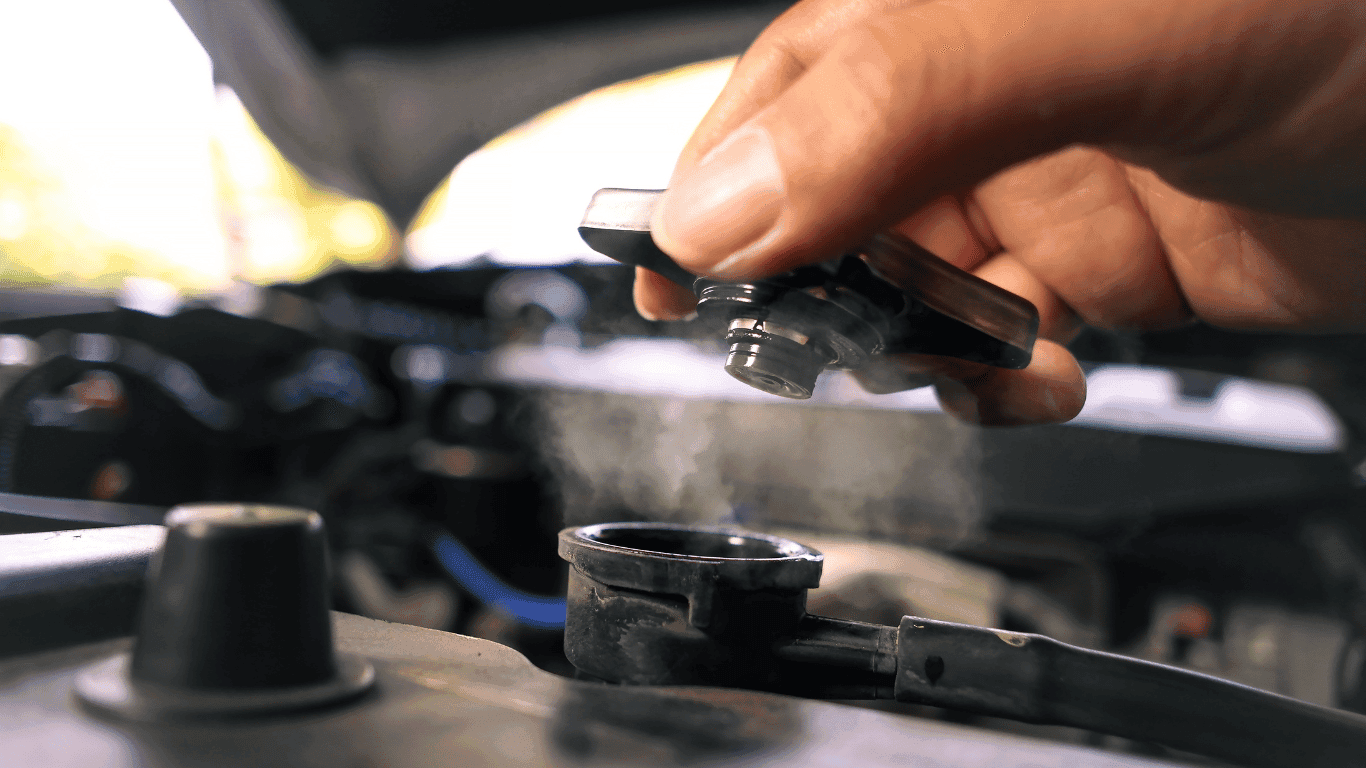
When the engine runs, coolant absorbs heat and flows through the radiator, where it’s cooled by airflow—helped by the radiator fan. The process repeats, keeping your engine at optimal temperature. Modern South African cars may include sensors and warning lights; always pay attention to them.
Overheating can destroy an engine in minutes. Noticing symptoms early may save thousands of rands—and plenty of frustration. Here’s what to look for:
(For fan-specific troubleshooting, see our Radiator fan motor replacement guide.)
If you notice any of these, schedule a diagnostic inspection or general car inspection immediately to catch minor faults before they escalate.
Diagnosing cooling problems doesn’t have to be complex. Here’s how an expert mechanic—like one from Fixxr—approaches radiator issues:
Diagnosing complex or repeated overheating? Book a professional radiator service online, and a Fixxr mechanic comes to you, anywhere in Gauteng, Cape Town, or Durban.
Even in “normal” conditions, the combination of SA heat, stop-start traffic, and long road trips means radiators work overtime. Prevention is the best defence!
For a deep clean, consider a professional radiator flush service—Fixxr brings this expertise to your door and recycles the old coolant responsibly.
| Service | Estimated Cost (R) |
|---|---|
| Radiator Flush/Service | R800 – R1,500 |
| Radiator Replacement | R2,500 – R5,500+ |
| Radiator Hose Replacement | R350 – R900 |
| Radiator Fan Motor Replacement | R1,200 – R2,800 |
Preventative care beats the cost and chaos of engine replacement (which can reach R15,000+ even for modest cars).
Neglecting your radiator system isn’t just risky—it may be illegal! The Arrive Alive guide highlights that overheating can lead to loss of vehicle control or dangerous roadside breakdowns, especially on high-speed highways like the N1 or N3. South African law (see the Occupational Health and Safety Act) requires that drivers report—and take reasonable steps to repair—any vehicle defect that could compromise safety.
Some insurers may also reject claims if it’s proven that a neglected cooling system led to engine damage. Therefore, regular radiator maintenance isn’t just about reliability; it’s a legal and financial safeguard, too.
When every degree counts, South Africans deserve responsive, expert help. Fixxr’s mobile mechanics:
Don’t risk an engine meltdown or a safety fine. Whether you need a quick radiator hose replacement, radiator fan repairs, or full radiator replacement, Fixxr brings trusted expertise directly to you.
Ready to prevent problems—or need urgent help? Book your car radiator service online now and keep your engine new-car cool, year-round.
Is your car's aircon blowing warm air and smelling musty? Discover common issues and quick fixes to get your AC blowing cold and fresh this spring!

Surviving the freeze? Learn how extreme winter conditions affect your car's battery, tyre pressure, antifreeze, and wipers. Stay safe on the roads!

Discover the top common problems faced by Toyota Hilux owners in South Africa, and learn essential maintenance tips to keep your bakkie running smoothly.
Professional cooling/radiator fan motor replacement service.
Get a QuoteComprehensive vehicle health check covering all major systems
Get a QuoteAutomotive Platform
Fixxr connects South African car owners with trusted, vetted mechanics. Our team writes about car maintenance, repair costs, and tips to help you make informed decisions about your vehicle.